

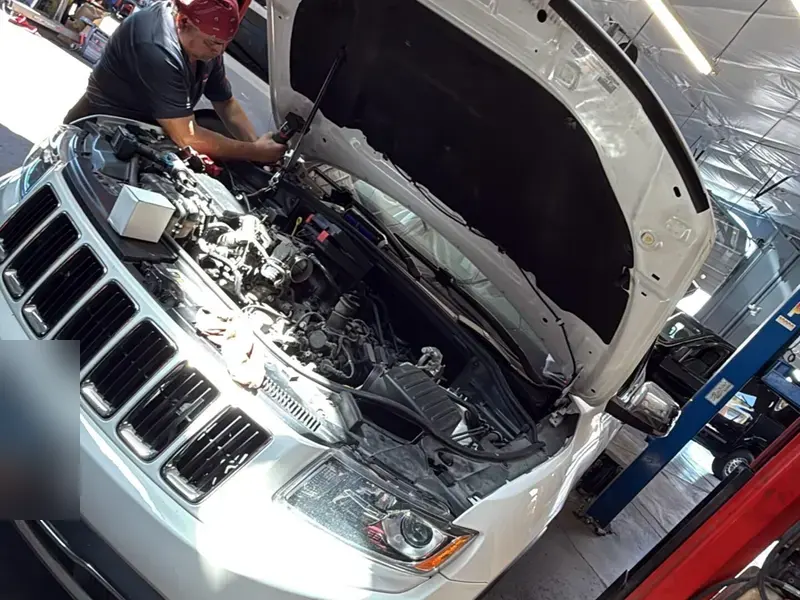
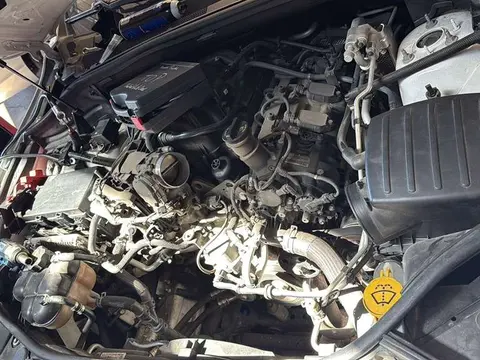
A 2016 Jeep Grand Cherokee Limited at our shop at 3560 E Tropicana Ave in Las Vegas, in for electrical repair. Here is what the customer told us, what we found and what we did.
Customer Concern
The customer brought the Jeep in for an electrical problem.
Diagnosis
We found an overheated wiring harness and an alternator that was overcharging, with damage to the battery cable, fuse box and battery terminal fuse.
Repair Performed
Battery cable, fuse box, battery terminal fuse and alternator replaced.
About This Repair
An alternator that overcharges pushes too much voltage through the electrical system, and wiring can overheat as a result. That is why the fix here went beyond the alternator: the parts the excess current had damaged were replaced too, so the problem would not come straight back.
Signs a 2016 Jeep Grand Cherokee Has an Overcharging Alternator
When an alternator overcharges, the symptoms often show up in ways that seem unrelated at first. In a 2016 Jeep Grand Cherokee, you might notice headlights or dash lights that look unusually bright or flicker as engine speed changes. A battery or charging warning light may come on, and the instrument cluster can display electrical system messages. Some owners notice a sulfur or rotten egg smell from the battery area, which can mean the battery is being overcharged and venting. A burning plastic odor under the hood is another serious clue, since it can point to wiring insulation that is getting too hot. Bulbs may burn out more often than they should, and electronics like the radio or power accessories can act erratically. A battery that looks swollen or has heavy corrosion around the terminals is also worth paying close attention to.
What Causes Overcharging and Overheated Wiring in a Grand Cherokee
The alternator relies on voltage regulation to control how much charging output reaches the battery and the rest of the vehicle. When that regulation fails, or when the alternator's internal components wear out, output can climb higher than the system is designed to handle. Modern vehicles like the Grand Cherokee also use computer control of the charging system, so a problem with sensing, wiring or connections can affect how it behaves. Excess voltage stresses everything downstream. Battery cables and terminals carry heavy current, and a loose, corroded or damaged connection adds resistance, which creates heat. Over time that heat can melt insulation, damage fuse holders and weaken the fuse box itself. Desert heat in Las Vegas does not cause overcharging on its own, but high under-hood temperatures make batteries and wiring work harder and can speed up the wear that leads to these failures.
What to Do When Your Grand Cherokee Shows Electrical Warning Signs
If you notice signs of overcharging, it is best not to ignore them or keep driving for long stretches. Excess voltage and overheated wiring can damage costly electronic modules, ruin the battery and, in serious cases, create a fire risk. If you smell burning plastic or see smoke, pull over safely, turn the engine off and keep a safe distance from the vehicle. Avoid touching hot cables or trying to disconnect the battery if anything looks melted or damaged. Bring it in so the cause can be diagnosed with proper testing of the battery, alternator output and wiring. A thorough inspection looks beyond the alternator itself and checks cables, terminals, fuses and the fuse box for heat damage. Replacing only one part while leaving damaged wiring in place can lead to repeat problems, so a complete look at the charging circuit matters.