
Auto Electrical Repair in Las Vegas, NV
Your vehicle's electrical system runs almost everything you rely on—starting the engine, charging the battery, powering your lights, and keeping dozens of sensors talking to one another. When something in that system fails, the symptoms can be confusing, intermittent, and frustrating. At United Auto Care Center, we track down electrical faults with careful diagnostics and clear explanations, so you understand exactly what went wrong and what it takes to fix it.
Signs you may need auto electrical repair
Electrical problems rarely announce themselves clearly. They tend to show up as small annoyances that grow into breakdowns. Here are the situations that usually mean it's time to have your electrical system checked:
- Your car won't start, or cranks slowly. A weak battery, a failing starter, or a corroded connection can all leave you stuck in a parking lot.
- The battery keeps dying. If you've replaced the battery and it drains again, the real culprit is often the alternator or a parasitic draw somewhere in the system.
- Dim, flickering, or dead lights. Headlights that pulse with engine speed, dashboard lights that flicker, or interior lights that quit point to a charging or wiring issue.
- Warning lights on the dash. The battery, check engine, or ABS light can all signal electrical trouble, sometimes long before you notice anything else.
- Blown fuses that keep blowing. A fuse that fails repeatedly is protecting a circuit from a deeper short, not just an inconvenience.
- Power accessories acting up. Windows that move slowly, locks that stick, a radio that cuts out, or a climate fan that only works on certain settings often trace back to wiring or ground problems.
- A burning or electrical smell. Any hint of hot plastic or scorched insulation deserves immediate attention.
In Las Vegas, extreme desert heat makes these problems worse and more common. High temperatures shorten battery life dramatically, bake wiring insulation until it cracks, and stress connectors until they corrode or loosen. A system that holds up fine in a mild climate can fail early here.
What auto electrical repair involves
Electrical work is as much detective work as it is repair. The system is a web of circuits, grounds, sensors, and control modules, and a single bad connection can cause symptoms that seem unrelated. Our approach is methodical.
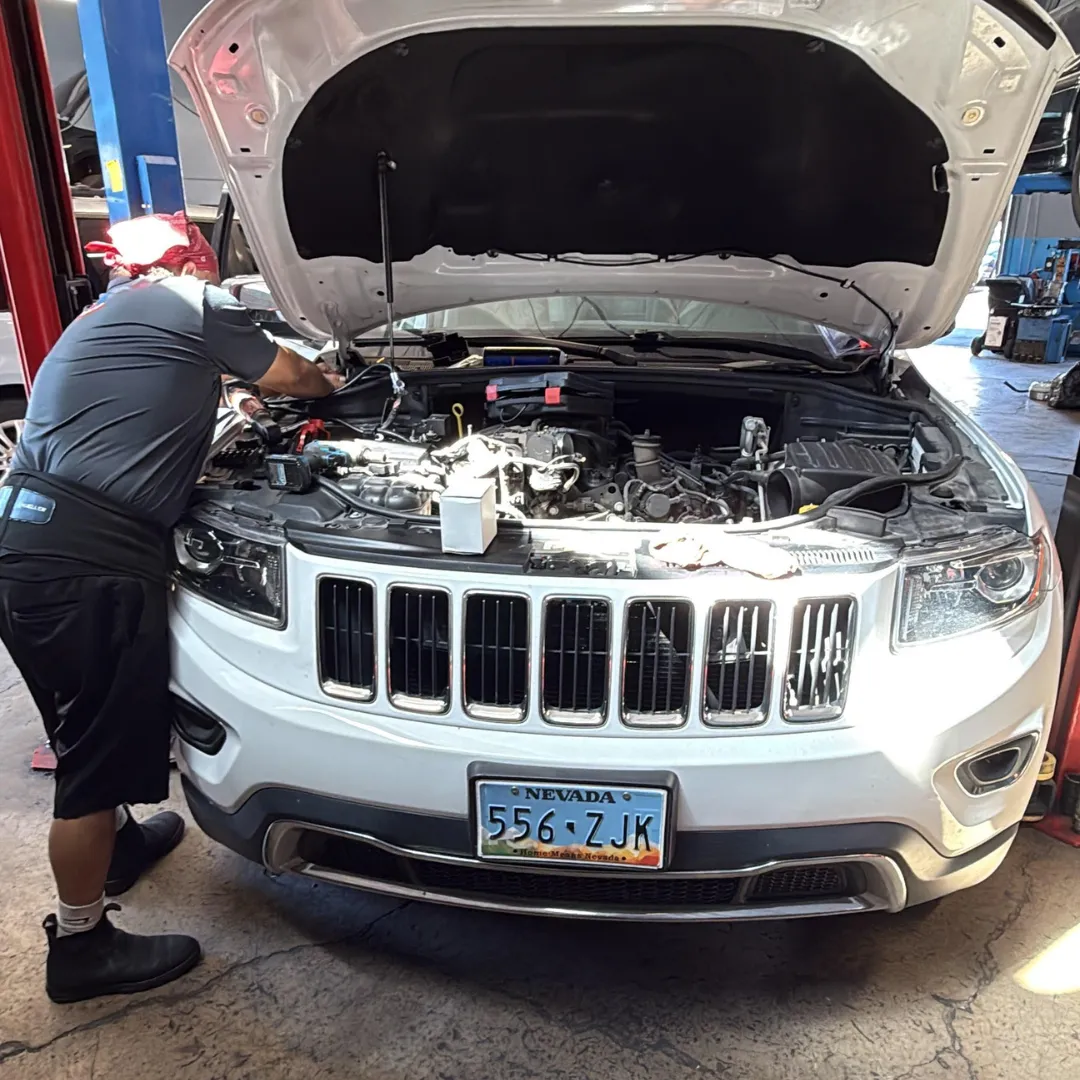
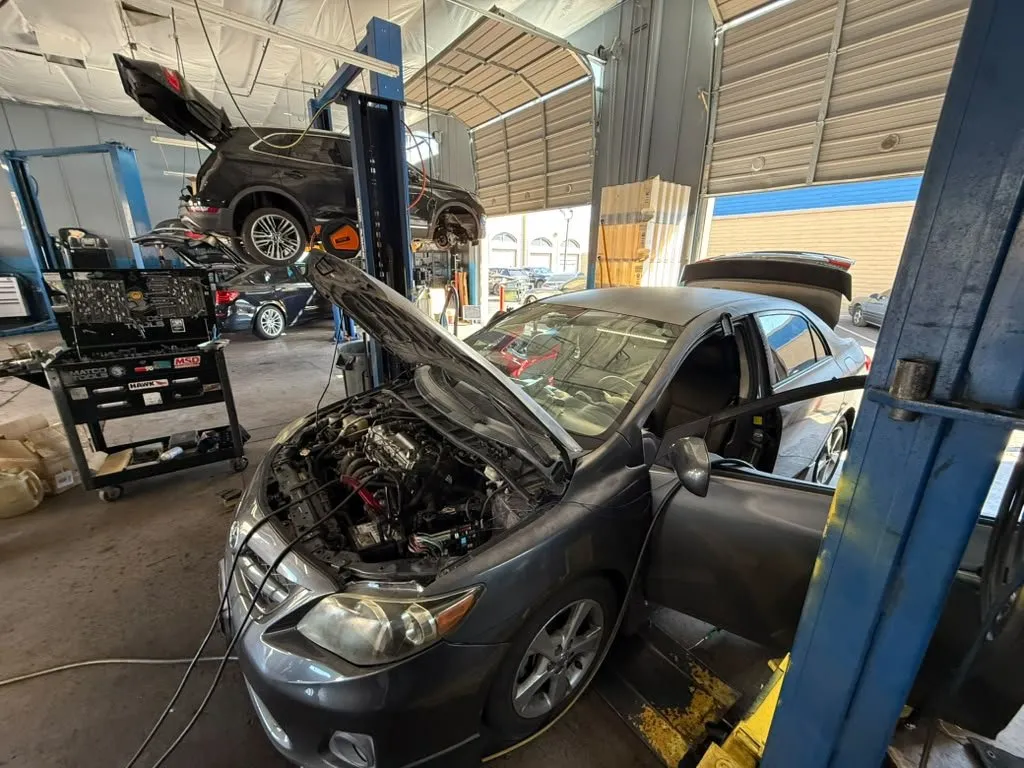
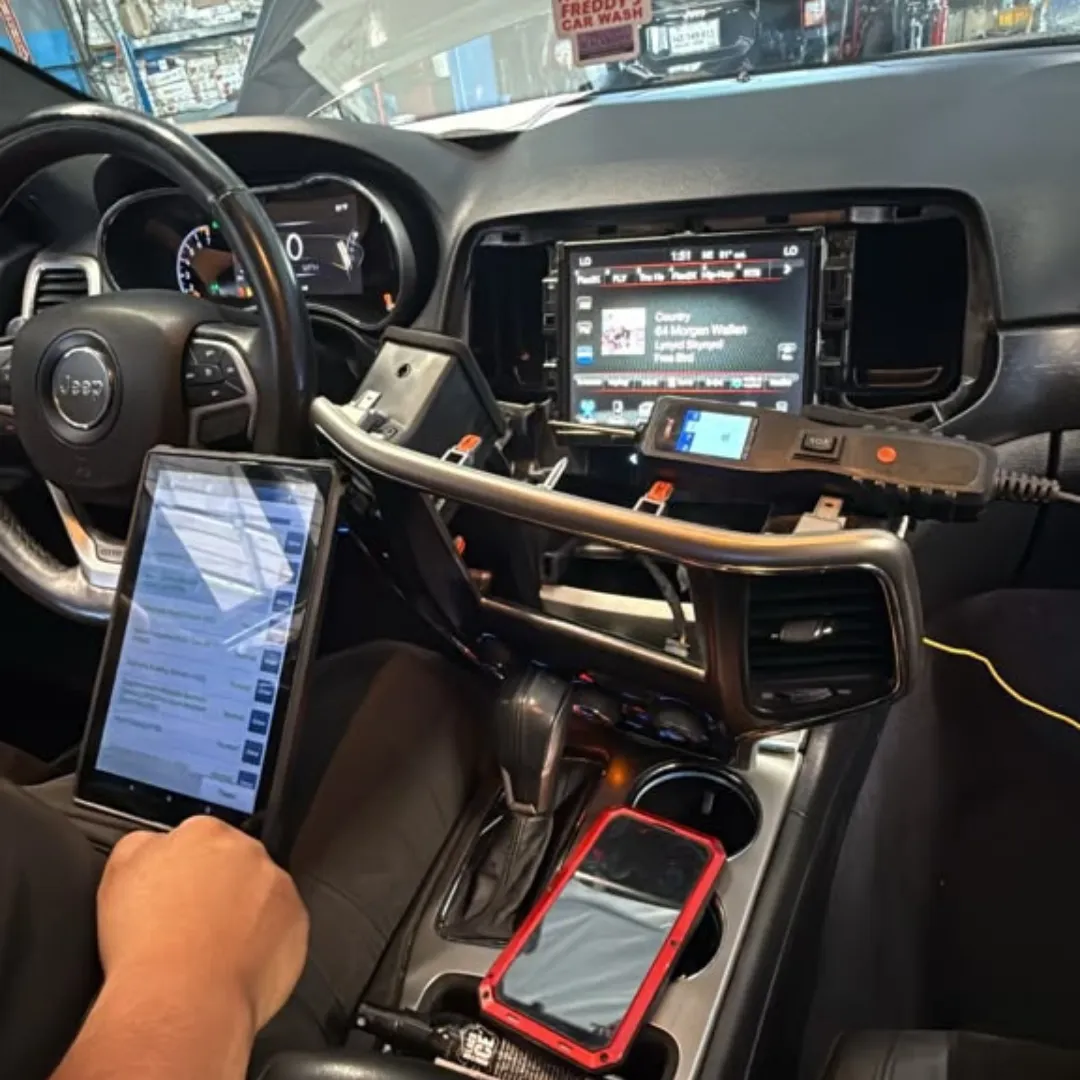
We start with a full diagnostic scan to pull any stored trouble codes and read live data from the vehicle's modules. Codes point us in a direction, but they rarely tell the whole story—so we verify with direct testing. That means measuring voltage and resistance across circuits, load-testing the battery, checking the alternator's output under real conditions, and inspecting grounds and connectors that heat and vibration tend to loosen.
From there, the repair depends on what we find:
- Battery and charging faults. If the battery is worn out, we test and replace it with the correct specification for your vehicle. If the alternator isn't charging properly, we address it before it strands you again. The trade-off here is simple: replacing a battery is quick and affordable, but ignoring a failing alternator just means you'll be buying another battery soon.
- Starting system repair. A failing starter, worn solenoid, or corroded cable gets diagnosed and repaired so the engine turns over reliably.
- Wiring and connector repair. Damaged, brittle, or corroded wiring can sometimes be repaired at the affected section, while more extensive damage may call for replacing a harness segment. We'll explain which option makes sense and why.
- Parasitic draw testing. When something is quietly draining your battery overnight, we isolate the circuit responsible rather than guessing.
- Sensor and module issues. Many modern electrical faults come down to a sensor or control module feeding bad information. We confirm the component is actually at fault before replacing it, so you don't pay for parts your car didn't need.
Throughout, we favor accurate diagnosis over parts-swapping. Replacing components on a hunch is expensive and often doesn't solve the problem—pinpointing the fault does.
Why choose United Auto Care Center
- Honest diagnosis, no guesswork. We find the actual cause before we recommend anything, so you're not paying for parts that weren't the problem. No unnecessary repairs, no hidden costs.
- Dealership-level technology, local shop pricing. We use advanced diagnostic equipment to read your vehicle's systems accurately, with the fair pricing and personal care of a family-owned shop.
- Clear explanations every time. We listen first, inspect carefully, and tell you plainly what your car needs and why—no pressure, no confusion.
- Built for desert driving. We understand how Las Vegas heat attacks batteries, wiring, and connectors, and we repair with those conditions in mind.
Our auto electrical repair process
- Listen and inspect. We start by hearing your description of the symptoms—when they happen, how often, and under what conditions—then do a visual inspection.
- Run a full diagnostic scan. We pull trouble codes and review live data from your vehicle's modules.
- Test and verify. We confirm the fault with direct electrical testing—voltage, resistance, charging output, and ground integrity—so we're certain of the cause.
- Explain your options. We walk you through what we found, what the repair involves, and any trade-offs, before any work begins.
- Complete the repair. Our technicians carry out the approved work using the correct parts and specifications for your vehicle.
- Retest and confirm. We verify the system is working properly and the original symptom is gone before we return your car.
What affects the cost and how to get a price
Electrical repair pricing depends on a few things, and the biggest one is usually diagnosis time. A dead battery is straightforward, but an intermittent fault or a parasitic draw can take careful testing to isolate. Other factors include the type of repair needed—replacing a battery is very different from repairing a wiring harness or a control module—and the make and model of your vehicle, since some cars are more complex to access and service than others. Whether the fault is a single component or several related issues also changes the picture.
Because these variables matter so much, the honest answer is that we quote after we've diagnosed the problem. Call us at (702) 444-4468 or stop by, and we'll inspect your vehicle, explain what we find, and give you a clear price before any work starts—so you always know what you're paying for.
Looking after your electrical system afterward
Once your system is repaired, a little attention keeps it reliable. Have your battery and charging system tested periodically, especially before summer, since desert heat is the single hardest thing on a battery. Keep terminals and connections clean and free of corrosion. If you notice early warning signs—slow starts, dimming lights, or a dash warning—bring the car in before a small issue becomes a breakdown. Parking in shade when you can and limiting the time accessories run with the engine off both help extend battery life in our climate.
Serving Las Vegas, NV and nearby
United Auto Care Center provides Auto Electrical Repair in Las Vegas, NV and the surrounding communities. As a family-owned shop, we treat every customer like a neighbor and every car as if it were our own—with honest service, fair pricing, and real results you can trust. Whether you're dealing with a car that won't start, a battery that keeps dying, or a mystery electrical fault, we're here to track it down and get you back on the road. Call (702) 444-4468 to schedule your service.