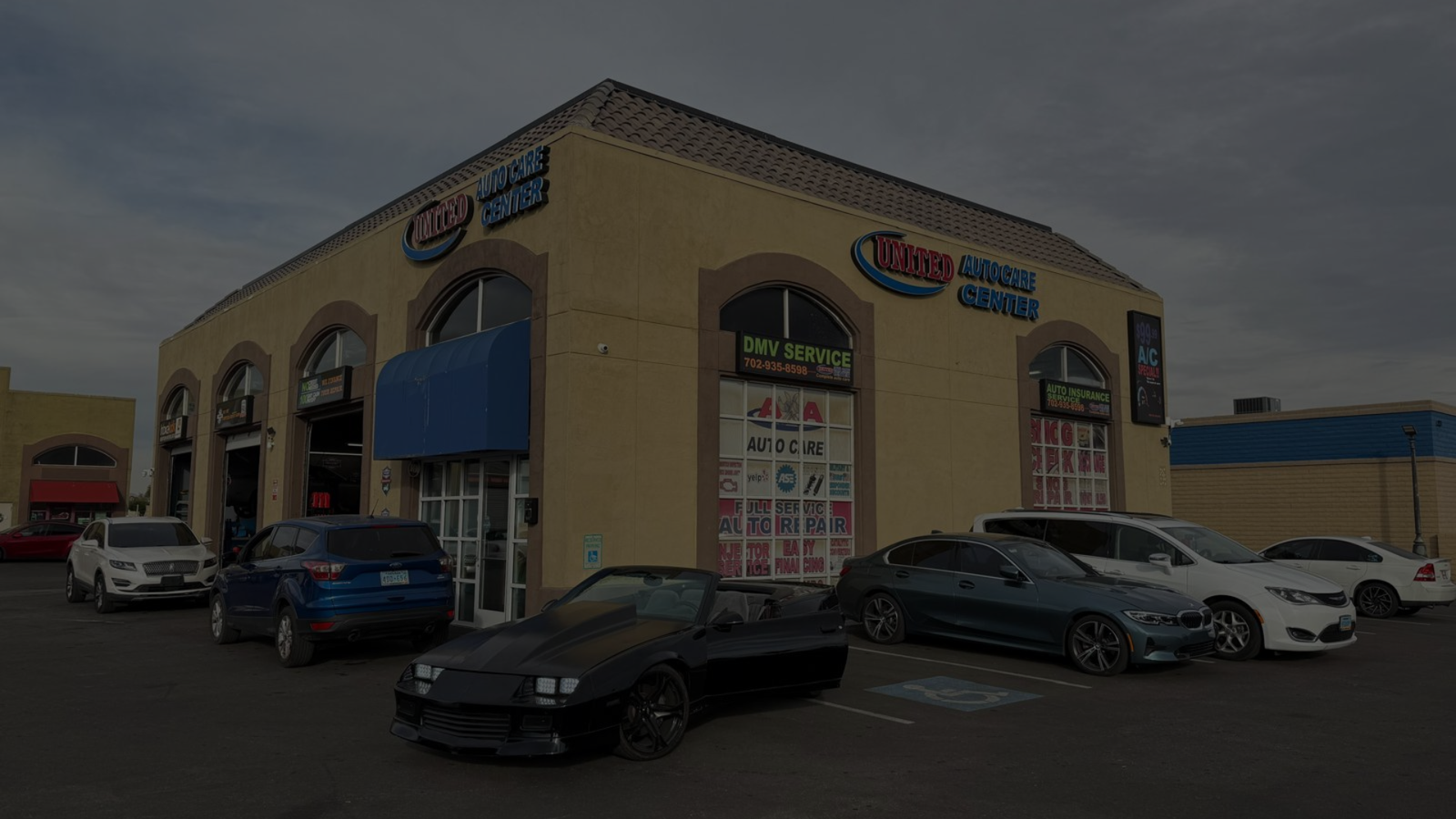
3560 E Tropicana Ave #800, Las Vegas, NV 89121, United States
+1 702-444-4468
info@unitedautocarecenter.com

United Auto Care Center is Las Vegas’s trusted specialist for expert engine and transmission repair, high-performance AC service, and advanced ECU/PCM car programming. Since 2017, our ASE Certified technicians have provided dealership-level expertise with the honesty and fair pricing of a local shop.
-
3560 E Tropicana Ave #800, Las Vegas, NV 89121, United States
Adress
-
+1 702-444-4468
Phone
-
info@unitedautocarecenter.com
Mail
Seasonal Car Care Checklist for Las Vegas Drivers
United Auto Care Center — Trusted Auto Repair in Las Vegas Since 2017
Your car doesn't experience the same conditions all year.
Temperatures change.
Driving habits change.
Road trips increase during certain seasons.
And in Las Vegas, extreme summer heat can place additional demands on several vehicle systems.
A simple seasonal car care checklist can help you identify maintenance needs before they turn into inconvenient breakdowns.
The goal isn't to replace parts just because the season changed.
It's to inspect the systems most likely to need attention and follow your vehicle manufacturer's maintenance schedule.
Use this seasonal checklist to help keep your vehicle prepared throughout the year.
Quick Seasonal Car Maintenance Checklist
| Season | Main Areas to Check |
|---|---|
| Spring | A/C, cooling system, battery, fluids, brakes |
| Summer | A/C performance, coolant, battery, engine temperature, fluids |
| Fall | Battery, brakes, fluids, cooling system, general maintenance |
| Winter | Battery, brakes, fluids, lights, maintenance, road-trip readiness |
For Las Vegas drivers, pre-summer preparation is especially important because of extreme temperatures.
Spring Car Care Checklist
Spring is the time to prepare your vehicle before Las Vegas temperatures climb.
✓ Check the A/C System
Don't wait until the hottest day of summer to discover your A/C isn't working properly.
Check for:
Weak cooling
Warm air
Intermittent cooling
Unusual A/C noises
Strange odors
Cooling that becomes weaker while idling
If performance has changed, have the system inspected.
An A/C problem can involve refrigerant leaks, electrical faults, compressor problems, sensors, cooling fans, or other components.
✓ Inspect the Cooling System
Your engine's cooling system becomes especially important as temperatures rise.
Consider inspecting:
Coolant level
Coolant condition
Radiator
Water pump
Thermostat
Cooling fans
Hoses
Visible leaks
If your vehicle is already overheating, don't wait for seasonal maintenance.
Have the problem diagnosed promptly.
✓ Test the Battery
Extreme temperatures can be demanding on automotive batteries.
Watch for:
Slow engine cranking
Hard starting
Repeated jump-starts
Electrical problems
Battery or charging-system warnings
Remember:
A starting problem does not automatically mean you need a battery.
The battery and charging system may need testing.
✓ Check Engine Oil
Check whether your vehicle is due for an oil change according to its maintenance schedule.
Also watch for:
Low oil level
Oil leaks
Oil warning lights
Burning oil smell
Use the oil specification recommended for your vehicle.
✓ Inspect the Brakes
Check for:
Squeaking
Grinding
Vibration
Changes in pedal feel
Reduced braking performance
Brake warning lights
Brake problems should be addressed based on safety and condition — not delayed for seasonal convenience.
Spring Checklist
Before Las Vegas summer arrives:
Check A/C performance
Inspect cooling system
Check coolant
Inspect for leaks
Test battery
Check engine oil
Inspect brakes
Check warning lights
Inspect belts and hoses
Review upcoming maintenance
Summer Car Care Checklist
Summer is when several vehicle systems may experience increased stress in Las Vegas.
Pay particular attention to:
Cooling
A/C
Battery
Fluids
Warning lights
✓ Monitor Engine Temperature
Watch your temperature gauge or warning indicators.
Possible overheating signs include:
Temperature gauge rising unusually high
Temperature warning
Steam
Coolant smell
Coolant leak
Reduced engine performance
If your vehicle overheats, continuing to drive can cause serious engine damage.
Stop safely and follow the manufacturer's instructions.
✓ Watch for Coolant Leaks
If coolant level repeatedly drops, don't simply keep adding coolant.
Ask:
Where is it going?
Leaks can potentially involve:
Hoses
Radiator
Water pump
Connections
Other cooling-system components
A small leak can eventually become a larger problem.
✓ Check A/C Performance
During Las Vegas summer, automotive A/C isn't something most drivers want to lose.
If the system begins taking longer to cool the cabin or starts blowing warm air, have it evaluated.
Don't assume the system simply needs refrigerant.
If refrigerant is low, the reason should be investigated.
✓ Pay Attention to the Battery
If the vehicle begins starting slowly during extreme heat, don't ignore it.
Have the:
Battery
Charging system
Connections
Related electrical system
tested as appropriate.
✓ Watch Dashboard Warning Lights
Do not ignore warning lights simply because the vehicle still moves.
Particularly important warnings can involve:
Engine temperature
Oil pressure
Charging system
Check engine
Brakes
Transmission
Some warnings require immediate attention.
Summer Checklist
During extreme Las Vegas heat:
Monitor engine temperature
Check coolant
Watch for coolant leaks
Monitor A/C performance
Test weak battery symptoms
Check engine oil
Inspect for fluid leaks
Pay attention to warning lights
Listen for unusual noises
Address new vehicle symptoms promptly
Fall Car Care Checklist
After months of extreme summer temperatures, fall is a useful time to check the overall condition of your vehicle.
Think of it as a post-summer inspection.
✓ Recheck the Battery
If the battery struggled during summer, don't ignore the symptoms simply because temperatures have dropped.
A weak battery can eventually leave you stranded.
✓ Inspect Fluids
Depending on the vehicle, fluids may include:
Engine oil
Coolant
Brake fluid
Transmission fluid
Power steering fluid on applicable vehicles
Washer fluid
Not every fluid should be serviced on the same schedule.
Follow your manufacturer's maintenance requirements.
✓ Inspect Brakes
If you've done significant summer driving or road trips, pay attention to:
Brake noise
Pad condition
Rotor condition
Brake fluid
Pedal behavior
Warning lights
Have unusual braking symptoms inspected.
✓ Review Your Maintenance Schedule
Fall can be a good time to check whether you're approaching scheduled maintenance based on:
Mileage
Time
Manufacturer recommendations
This can help prevent several maintenance items from becoming overdue simultaneously.
Fall Checklist
After summer:
Test battery if needed
Check engine oil
Inspect coolant
Review brake condition
Check fluid levels
Inspect for leaks
Review warning lights
Check maintenance schedule
Address problems postponed during summer
Winter Car Care Checklist
Las Vegas doesn't experience the same severe winter conditions as many colder parts of the country.
But winter maintenance still matters.
This can also be a convenient time to prepare for holiday travel and longer road trips.
✓ Check the Battery
Cooler temperatures can expose a battery that is already weak.
If your vehicle:
Cranks slowly
Requires jump-starts
Has electrical issues
have the starting and charging system tested.
✓ Check Your Brakes
Brake safety is year-round.
If you notice:
Grinding
Squealing
Pulling
Vibration
Soft pedal
Reduced braking ability
have the system inspected.
✓ Check Vehicle Lights
Make sure important exterior lights operate correctly.
These can include:
Headlights
Brake lights
Turn signals
Hazard lights
Tail lights
Visibility and communication with other drivers matter year-round.
✓ Prepare for Road Trips
Before a longer trip, consider checking:
Oil
Coolant
Battery
Brakes
A/C or climate system
Warning lights
Fluid leaks
Belts and hoses
General vehicle condition
Do this early enough that there is time to address problems before departure.
Winter Checklist
For winter and holiday travel:
Check battery
Inspect brakes
Check engine oil
Check coolant
Inspect lights
Check warning lights
Look for fluid leaks
Review scheduled maintenance
Schedule pre-trip inspection when appropriate
Year-Round Car Care Checklist
Some maintenance items should not wait for a particular season.
Throughout the year, monitor:
Engine Oil
Follow the manufacturer's recommended oil type and maintenance interval.
Coolant
Monitor level and watch for leaks or overheating.
Brakes
Never postpone significant brake symptoms just because your next maintenance visit is months away.
Battery
Have starting or charging problems tested.
Warning Lights
Understand what your dashboard is telling you.
Fluid Leaks
New leaks deserve investigation.
Unusual Noises
New grinding, knocking, squealing, or other unusual noises can indicate a developing problem.
Vehicle Behavior
Changes in:
Acceleration
Shifting
Braking
Steering
Starting
Engine temperature
can provide early warning of a problem.
Monthly Car Care Checklist
You can also perform a quick monthly visual review.
Look underneath vehicle for new leaks
Check dashboard for warnings
Monitor engine temperature
Pay attention to starting behavior
Check exterior lights
Listen for new noises
Monitor A/C performance
Check whether maintenance is coming due
You don't need to be a mechanic.
The goal is simply to notice when something changes.
Before a Las Vegas Summer Road Trip
Planning to drive from Las Vegas during summer?
Extreme temperatures combined with long-distance driving can be demanding.
Before leaving, consider checking:
Cooling system
A/C
Battery
Engine oil
Brakes
Warning lights
Fluid leaks
Belts and hoses
Overall vehicle condition
Schedule the inspection ahead of your departure.
Don't wait until the morning of the trip.
What Should You Check Before Extreme Heat?
Before temperatures rise significantly, prioritize:
1. Cooling System
Your engine needs to manage heat effectively.
2. A/C System
Address weak cooling before peak summer.
3. Battery
Test symptoms of a weak battery.
4. Fluids
Check appropriate fluid levels and condition.
5. Belts and Hoses
Look for visible deterioration or leaks.
6. Warning Lights
Don't begin a demanding summer driving season with unresolved dashboard warnings.
Seasonal Maintenance vs. Manufacturer Maintenance
A seasonal checklist does not replace your vehicle manufacturer's maintenance schedule.
Use both.
Your manufacturer may specify maintenance based on:
Mileage
Time
Driving conditions
Vehicle configuration
Seasonal inspections help you prepare for changing conditions.
Manufacturer maintenance tells you when specific services are required.
Together, they provide a better maintenance strategy.
Don't Replace Parts Just Because It's a New Season
Seasonal maintenance should not become unnecessary parts replacement.
For example:
Summer is coming → Replace the battery
is not necessarily the right approach.
Instead:
Battery showing symptoms → Test battery → Confirm condition → Replace if necessary
The same principle applies to:
A/C components
Cooling system
Brakes
Electrical components
Other vehicle systems
Inspect first.
Repair based on condition.
When Should You Skip the Checklist and Go Directly to a Mechanic?
Some symptoms should not wait for routine seasonal maintenance.
Seek professional evaluation if your vehicle has:
Overheating
Oil-pressure warning
Flashing check engine light
Severe brake problems
Significant fluid leak
Smoke
Strong burning smell
Severe engine noise
Major loss of power
Steering problems
Transmission slipping severely
Vehicle repeatedly stalling
If the vehicle appears unsafe, stop driving when safe and seek assistance.
Seasonal Car Maintenance in Las Vegas
Las Vegas drivers should pay particular attention to vehicle preparation before extreme summer heat.
A practical annual strategy is:
Spring → Prepare for heat
Summer → Monitor heat-sensitive systems
Fall → Inspect after summer
Winter → General maintenance and travel preparation
The goal isn't to create more repairs.
It's to identify real problems early and reduce the chance of unexpected breakdowns.
Seasonal Car Care at United Auto Care Center
United Auto Care Center provides automotive maintenance, diagnostics, and repair services for drivers in Las Vegas, Nevada.
Services include:
Engine repair
Transmission repair
Brake service
A/C repair
Check engine light diagnostics
Electrical diagnostics
Suspension repair
Battery-related services
Oil services
Preventive maintenance
Whether you're preparing your vehicle for Las Vegas summer or checking its condition after months of extreme temperatures, regular inspections can help identify maintenance and repair needs.
Visit United Auto Care Center to learn more about automotive maintenance and repair services in Las Vegas.
Frequently Asked Questions
Key areas include engine oil, coolant, battery condition, brakes, warning lights, fluid leaks, A/C performance, and upcoming scheduled maintenance.
Prioritize the A/C system, cooling system, battery, engine oil, fluids, belts, hoses, and unresolved dashboard warning lights.
Extreme heat can contribute to battery deterioration and starting problems. If the vehicle begins cranking slowly or needs repeated jump-starts, have the battery and charging system tested.
If cooling performance has become weaker, having the system inspected before peak summer heat can help identify problems before you rely heavily on the A/C.
Monitor coolant as part of regular vehicle maintenance and follow the manufacturer's recommendations. If the level repeatedly drops, have the system inspected for a leak or other problem.
A pre-trip inspection can be useful, especially before a long journey or summer travel. Schedule it early enough to address any problems discovered.
Yes. Seasonal maintenance focuses on preparing for environmental and driving conditions. Scheduled maintenance follows manufacturer requirements based on mileage, time, and vehicle specifications.
Serious brake problems, overheating, oil-pressure warnings, major fluid leaks, smoke, severe engine symptoms, steering problems, and other potentially unsafe conditions should be addressed promptly.
Final Takeaway
A good seasonal car care checklist doesn't mean replacing parts every few months.
It means checking the right systems before conditions become demanding.
For Las Vegas drivers:
Spring → A/C + Cooling System + Battery
Summer → Temperature + Coolant + A/C + Warning Lights
Fall → Battery + Brakes + Fluids + Post-Summer Inspection
Winter → Battery + Brakes + General Maintenance + Travel Preparation
And throughout the entire year:
Watch for leaks.
Pay attention to warning lights.
Listen for new noises.
Notice changes in how the vehicle drives.
The earlier you recognize a developing problem, the more time you have to diagnose and address it before it becomes an unexpected breakdown.