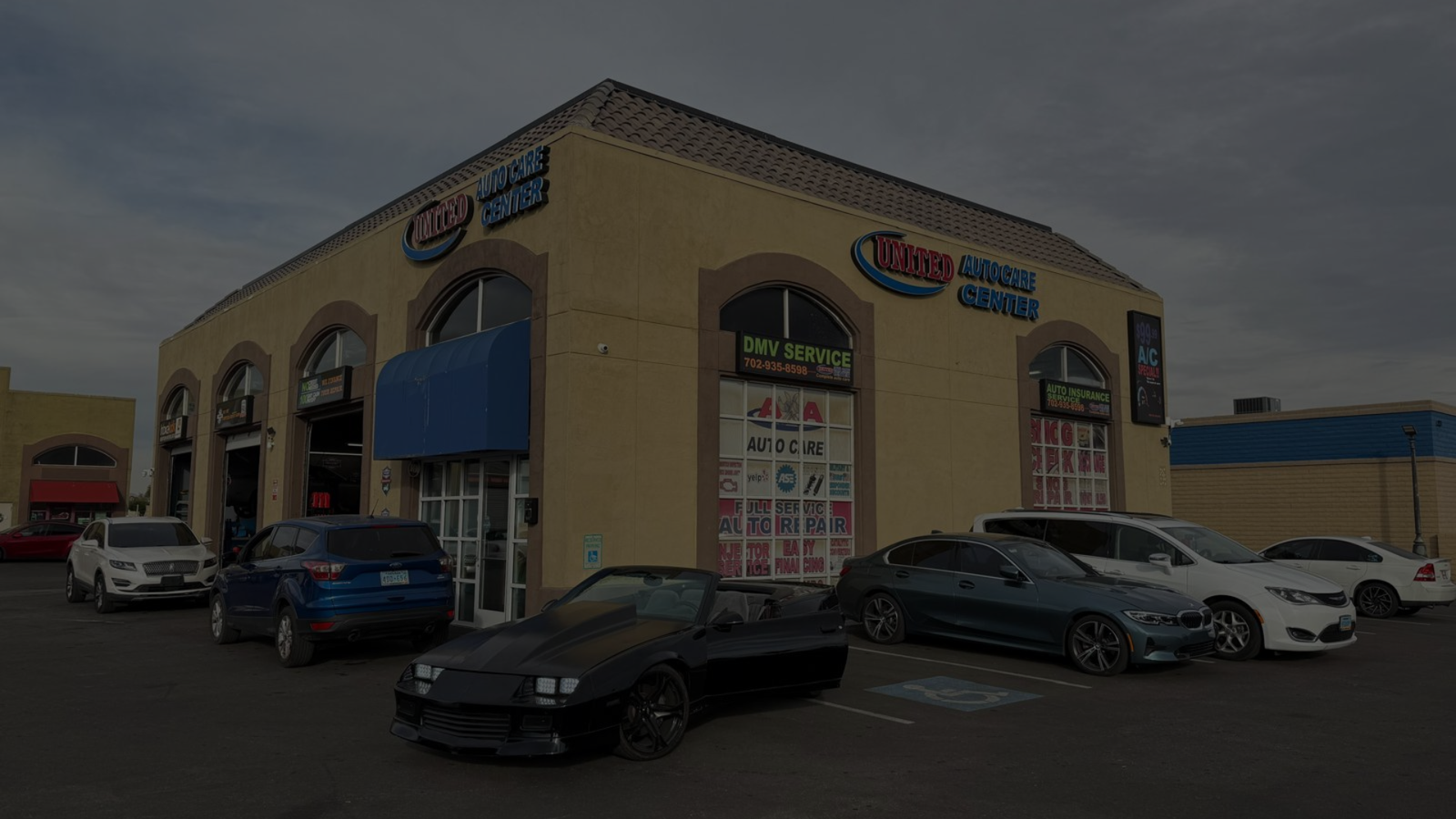
3560 E Tropicana Ave #800, Las Vegas, NV 89121, United States
+1 702-444-4468
info@unitedautocarecenter.com

United Auto Care Center is Las Vegas’s trusted specialist for expert engine and transmission repair, high-performance AC service, and advanced ECU/PCM car programming. Since 2017, our ASE Certified technicians have provided dealership-level expertise with the honesty and fair pricing of a local shop.
-
3560 E Tropicana Ave #800, Las Vegas, NV 89121, United States
Adress
-
+1 702-444-4468
Phone
-
info@unitedautocarecenter.com
Mail
What Questions Should I Ask My Mechanic Before Repair Work?
United Auto Care Center — Trusted Auto Repair in Las Vegas Since 2017
Taking your vehicle to an auto repair shop can feel stressful, especially when you are not familiar with automotive terminology or repair costs.
Knowing what questions to ask your mechanic before repair work can help you understand the problem, compare your options, and avoid unexpected charges.
Whether you need engine repair, transmission service, brake repair, A/C repair, or check engine light diagnostics in Las Vegas, you should understand what the shop recommends before authorizing the work.
A professional mechanic should be willing to explain the diagnosis, repair options, estimated cost, timeline, and warranty in clear language.
Here are the most important questions to ask before approving auto repair work.
1. What Exactly Is Wrong With My Vehicle?
Start with the most important question:
"What exactly is causing the problem?"
Describe the symptoms you are experiencing rather than assuming which part has failed.
For example, tell your mechanic:
When the problem started
Whether it happens when the engine is cold or warm
Whether you hear a noise
Whether the vehicle vibrates
Whether a warning light appeared
Whether the problem happens while accelerating, braking, turning, or idling
A good diagnostic process should identify the likely cause of the problem before a repair is recommended.
AAA also recommends describing what you hear, see, smell, or feel rather than trying to diagnose the vehicle yourself.
2. How Did You Diagnose the Problem?
This is one of the most useful questions you can ask.
Instead of simply asking "What needs to be replaced?", ask:
"How did you determine that this is the problem?"
Depending on the issue, diagnosis may involve:
Visual inspection
Computer diagnostics
Testing electrical systems
Checking fluid levels and conditions
Measuring mechanical components
Road testing
Inspecting worn or damaged components
Understanding the diagnostic process helps you understand why a particular repair is being recommended.
It is also important to ask whether there is a diagnostic fee. The FTC notes that many repair shops charge separately for diagnostic time, particularly when specialized testing is required.
3. Can You Give Me a Written Estimate?
Before approving significant repair work, ask:
"Can I get the estimate in writing?"
A written estimate should clearly explain the work being recommended and the expected costs.
The FTC recommends asking for a written estimate identifying the condition to be repaired, parts needed, and anticipated labor charges.
AAA similarly recommends an itemized written estimate that separates parts and labor and explains when additional approval is required.
Your estimate may include:
| Estimate Item | What to Ask |
|---|---|
| Parts | Which parts need replacement? |
| Labor | How many labor hours are estimated? |
| Diagnosis | Is there a separate diagnostic charge? |
| Shop Fees | Are there additional fees? |
| Taxes | Are taxes included? |
| Warranty | What coverage applies? |
| Total | What is the estimated total? |
A clear estimate gives you something you can review before authorizing the repair.
4. Will You Contact Me Before Doing Additional Work?
This question can help prevent an unexpected repair bill.
Ask:
"If you find another problem, will you contact me before doing the additional repair?"
The FTC recommends that written estimates specify that the shop will obtain customer approval before performing work above an agreed amount.
For example, you could tell the shop:
"Please contact me before performing any additional repairs that are not included in the estimate."
This creates a clear approval process between you and the repair shop.
5. What Is Urgent and What Can Wait?
Sometimes a vehicle has several issues at the same time.
That does not necessarily mean every recommended repair has to be completed on the same day.
Ask your mechanic:
"Which repair should I address first?"
Then ask:
"What can safely wait?"
A useful repair discussion can separate recommendations into categories such as:
Safety-related repairs
Problems that could affect braking, steering, vehicle control, or safe operation.
Necessary repairs
Issues that may cause additional damage or prevent the vehicle from operating correctly.
Maintenance
Routine service designed to keep the vehicle operating properly.
Future recommendations
Repairs or maintenance that may become necessary later based on the vehicle's condition.
Understanding these categories can help you prioritize your vehicle expenses.
6. What Happens If I Don't Repair It Now?
Another useful question is:
"What could happen if I wait?"
Ask the mechanic to explain the potential consequences in practical terms.
Depending on the problem, delaying a repair could:
* Allow a small problem to become more expensive
* Cause additional component damage
* Affect vehicle performance
* Reduce reliability
* Create a safety concern
However, not every recommendation requires immediate action.
Ask your mechanic to explain the difference between a repair that is urgent and one that can reasonably be scheduled for later.
7. What Type of Parts Will You Use?
Before approving a repair, ask:
"What type of replacement parts will you use?"
Depending on the vehicle and repair, parts may include:
* OEM parts
* Aftermarket parts
* Rebuilt or remanufactured components
* Used parts, where appropriate
Ask why a particular part is being recommended and whether the part has a warranty.
The FTC notes that replacement parts can fall into different categories and that consumers should understand what is being used in their repair.
8. What Warranty Comes With the Repair?
Before approving the job, ask:
"What warranty do you provide on parts and labor?"
Then ask:
*How long does the warranty last?
* Does it cover parts and labor?
* Are there exclusions?
* What happens if the same problem returns?
* Is the warranty written on the repair order?
A warranty does not replace good diagnosis and workmanship, but understanding the coverage gives you a clearer picture of the repair.
9. How Long Will the Repair Take?
Ask:
"How long should the diagnosis and repair take?"
The answer may depend on:
* Availability of parts
* Complexity of the repair
* Diagnostic time
* Technician workload
* Whether additional problems are discovered
For example, a simple maintenance service may take much less time than an engine or transmission repair.
Ask whether the estimated completion time is for the diagnosis, the repair, or both.
10. Can You Explain the Estimate in Simple Terms?
You do not need to be a mechanic to understand your repair estimate.If you see something you do not understand, ask:
"Can you explain that to me in simple terms?"
A professional repair conversation should allow you to understand:
What failed?
Why did it fail?
What needs to be repaired?
How much will it cost?
What happens if I wait?
What warranty applies?
AAA recommends asking questions and ensuring the repair shop can explain the recommended work in understandable language.
11. Is There a Diagnostic Fee?
Do not assume that diagnosis is free.
Ask:
"Is there a diagnostic fee, and what does it cover?"
Some problems require specialized equipment and technician time to identify the cause.
For example, a check engine light does not automatically identify which component has failed. The technician may need to inspect the vehicle and perform diagnostic testing before determining the appropriate repair.
The FTC specifically recommends asking about diagnostic charges before authorizing work.
12. Can I Get a Second Opinion?
For a major or expensive repair, you can ask:
"Would you recommend getting a second opinion?"
A second estimate can help you understand whether different shops agree about the diagnosis and recommended repair.
The FTC recommends considering a second opinion when repairs are expensive or complicated.
A reputable repair shop should be able to explain its diagnosis and let you make an informed decision.
How to Avoid Unexpected Auto Repair Charges
You do not need to assume that a mechanic is trying to overcharge you.
Instead, protect yourself by making the repair process clear from the beginning.
Before authorizing work:
1. Get a written estimate.
2. Ask whether diagnosis is charged separately.
3. Understand the parts and labor costs.
4. Ask what warranty is included.
5. Ask what repairs are urgent.
6. Ask what can wait.
7. Tell the shop to contact you before additional work.
8. Keep a copy of the estimate and repair order.
9. Review the final invoice before paying.
10. Ask about anything on the invoice you do not understand.
AAA recommends reviewing the estimate carefully and making clear that additional repairs require your authorization.
What Are Red Flags When Talking to a Mechanic?
No single behavior proves that a repair shop is dishonest, but certain situations deserve clarification.
Be cautious if you receive:
* A vague estimate
* No explanation of the diagnosis
* Unexpected additional repairs
* Pressure to approve expensive work immediately
* Charges you do not understand
* No clear warranty information
* Refusal to provide a written estimate
* Poor communication about changes to the repair
AAA identifies vague estimates, poor communication, lack of documentation, and high-pressure upselling among potential warning signs consumers should pay attention to.
The best response is often to ask questions and request documentation rather than making assumptions.
No single factor guarantees that a repair shop will be right for every vehicle owner. Instead, look at the complete picture.
Questions to Ask Your Mechanic: Quick Checklist
Save this checklist before taking your car to an auto repair shop:
What exactly is wrong with my vehicle?
How did you diagnose the problem?
Is there a diagnostic fee?
Can I get a written estimate?
Is the estimate itemized?
How much are parts?
How much is labor?
What type of parts will you use?
What repairs are urgent?
What repairs can wait?
What happens if I delay the repair?
Will you contact me before additional work?
How long will the repair take?
What warranty is included?
What happens if the same problem comes back?
How United Auto Care Center Handles Auto Repair Questions in Las Vegas
When you bring your vehicle to an auto repair shop, understanding the repair should be part of the process.
At United Auto Care Center in Las Vegas, customers can discuss their vehicle concerns and automotive service needs with the repair team before deciding how to proceed.
The shop provides automotive services including:
* Engine Repair
* Transmission Repair
* Brake Service
* A/C Repair
* Check Engine Light Diagnostics
* Oil Service
* Battery Service
* General Auto Repair and
* Maintenance
Whether you know exactly what your vehicle needs or you need help identifying the cause of a problem, asking questions can help you understand the recommended service.
Visit United Auto Care Center to learn more about automotive repair services in Las Vegas.
Final Takeaway
You do not need to be an automotive expert to have an informed conversation with your mechanic.
The most important questions are simple:
What is wrong?
How did you diagnose it?
How much will it cost?
What exactly is included?
What happens if I wait?
Will you contact me before additional work?
What warranty do I receive?
A written estimate, clear communication, and an understanding of the recommended repair can help you make a more informed decision and reduce the risk of unexpected charges.
If you are looking for an auto repair shop in Las Vegas, learn more about United Auto Care Center and its automotive repair services.
Frequently Asked Questions
Ask what caused the problem, how it was diagnosed, what the repair includes, how much it will cost, whether there is a diagnostic fee, what warranty applies, and whether the shop will contact you before additional work.
Yes. A written, itemized estimate can help you understand the expected parts, labor, and other charges before you authorize the repair. The FTC recommends requesting a written estimate for repair work.
Ask for a written estimate, understand parts and labor costs, ask about diagnostic fees, compare estimates for major repairs, and require approval before additional work.
It should identify the condition being repaired, the parts required, anticipated labor charges, and the process for approving additional work.
For expensive, complicated, or uncertain repairs, a second opinion can help you compare diagnoses and estimates. The FTC specifically recommends considering one in these situations.
Some repair shops charge a separate diagnostic fee because identifying a vehicle problem may require technician time and specialized equipment. Ask about the fee before authorizing diagnostic work.
Ask the shop to contact you and obtain your approval before performing repairs that were not included in the original estimate. This should be clearly discussed before work begins.
United Auto Care Center provides automotive repair and maintenance services including engine repair, transmission repair, brake service, A/C repair, diagnostics, oil service, battery service, and other vehicle repair needs.
You can learn more about United Auto Care Center and its automotive repair services by visiting unitedautocarecenter.com.